 01 / INDUSTRIAL
Process cooling & chillers
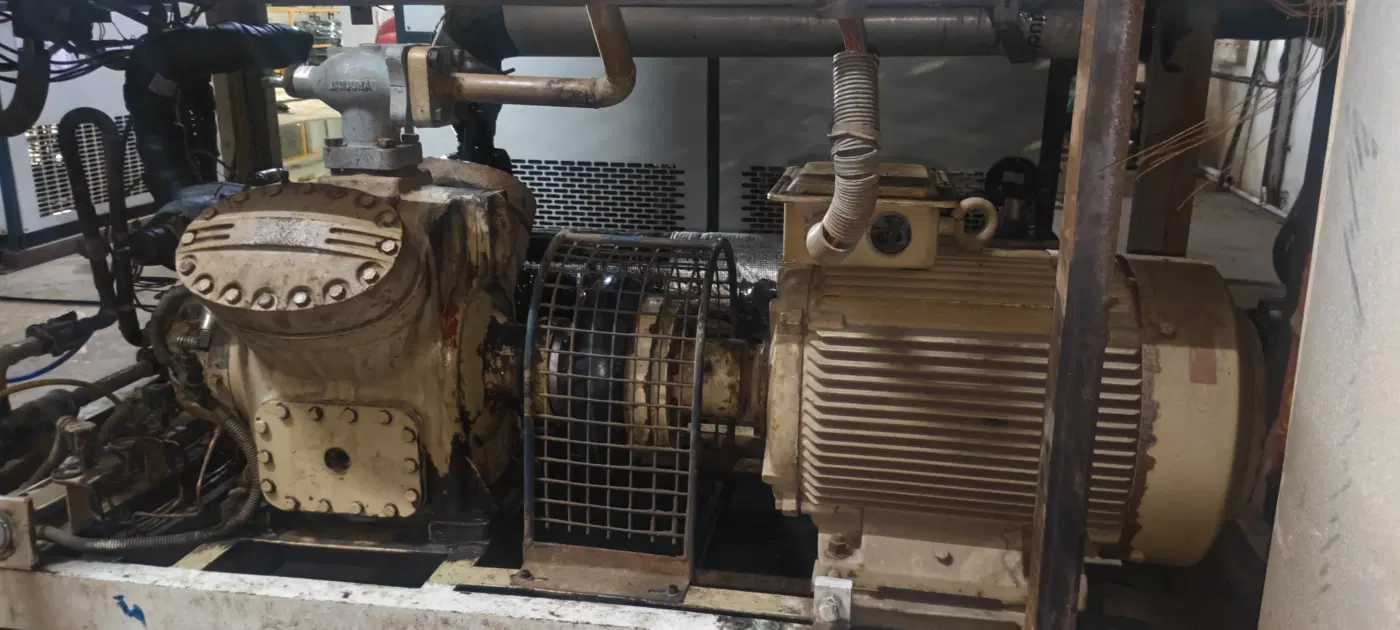
Water and oil chillers, compressor work and industrial air dryer services.
Explore industrial solutions ↗From split AC servicing and reinstallation to commercial HVAC maintenance and industrial chiller breakdown support. Serving Pune, Pimpri-Chinchwad and Chakan.
Specialist service for industrial equipment, commercial facilities and homes. Explore the solution that fits your application.
01 / INDUSTRIALWater and oil chillers, compressor work and industrial air dryer services.
Explore industrial solutions ↗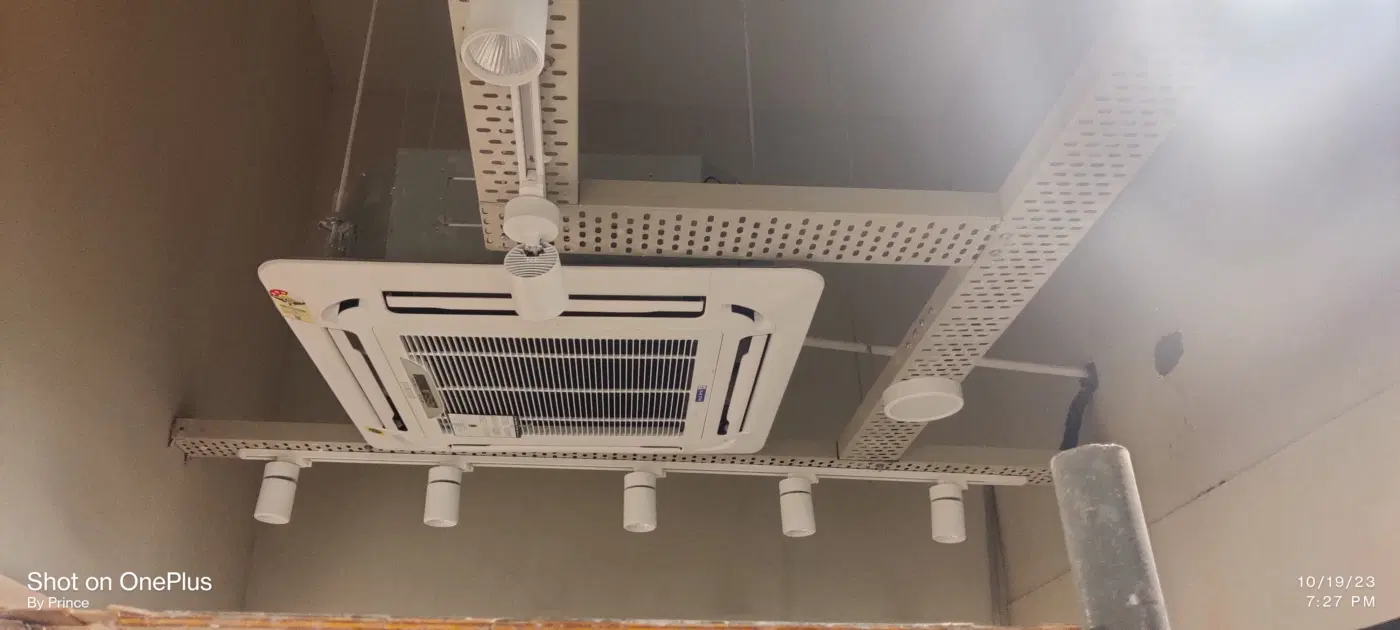 02 / COMMERCIAL
VRV/VRF, AHU, FCU, ductable systems and scheduled maintenance.
Explore commercial solutions ↗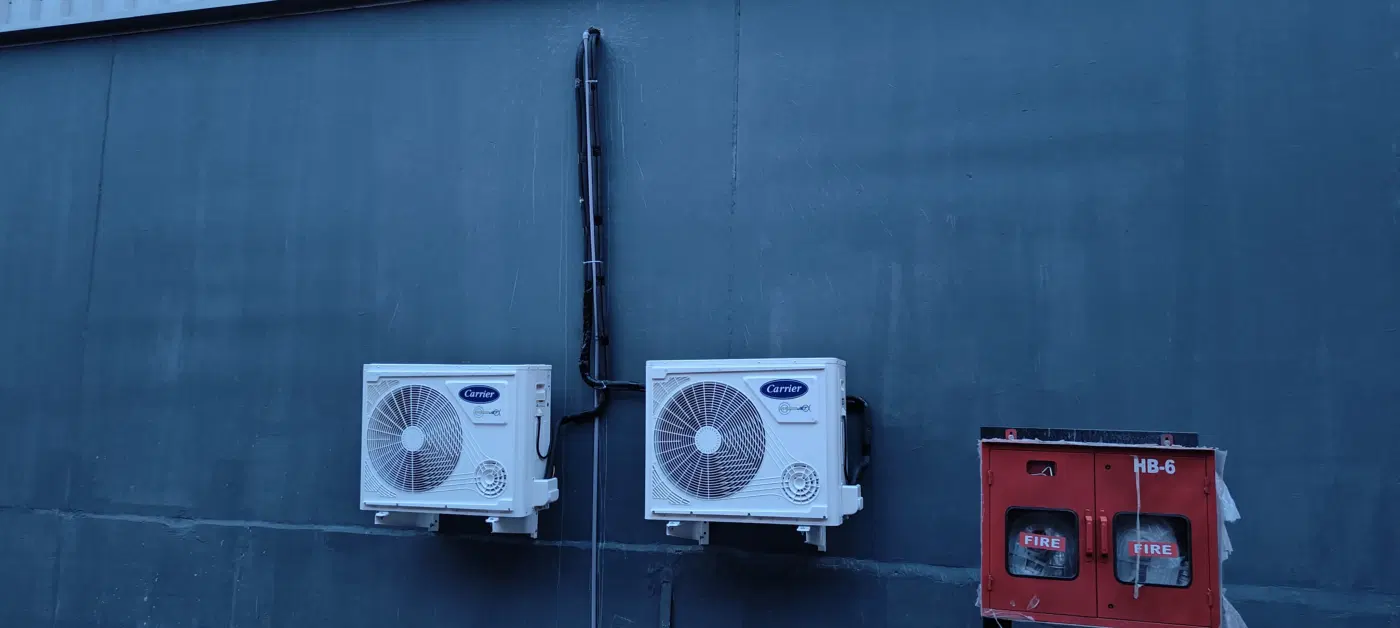 03 / RESIDENTIAL
AC sales, installation, shifting, fault diagnosis and refrigerant service.
Explore AC services ↗Explore our full AC, refrigeration and HVAC capabilities by application. Each service guide explains the scope and next steps.
For plants, production lines and equipment requiring controlled cooling.
For offices, shops and facilities requiring dependable air conditioning.
For new installations, existing units and home cooling problems.
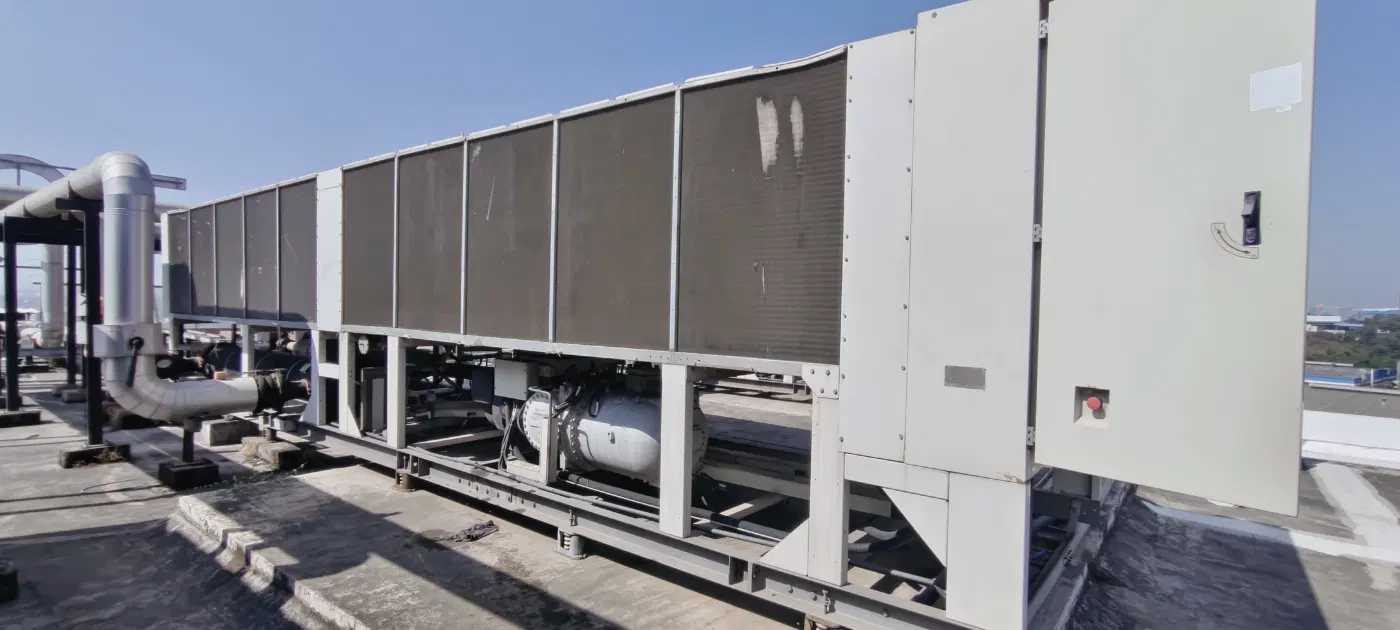
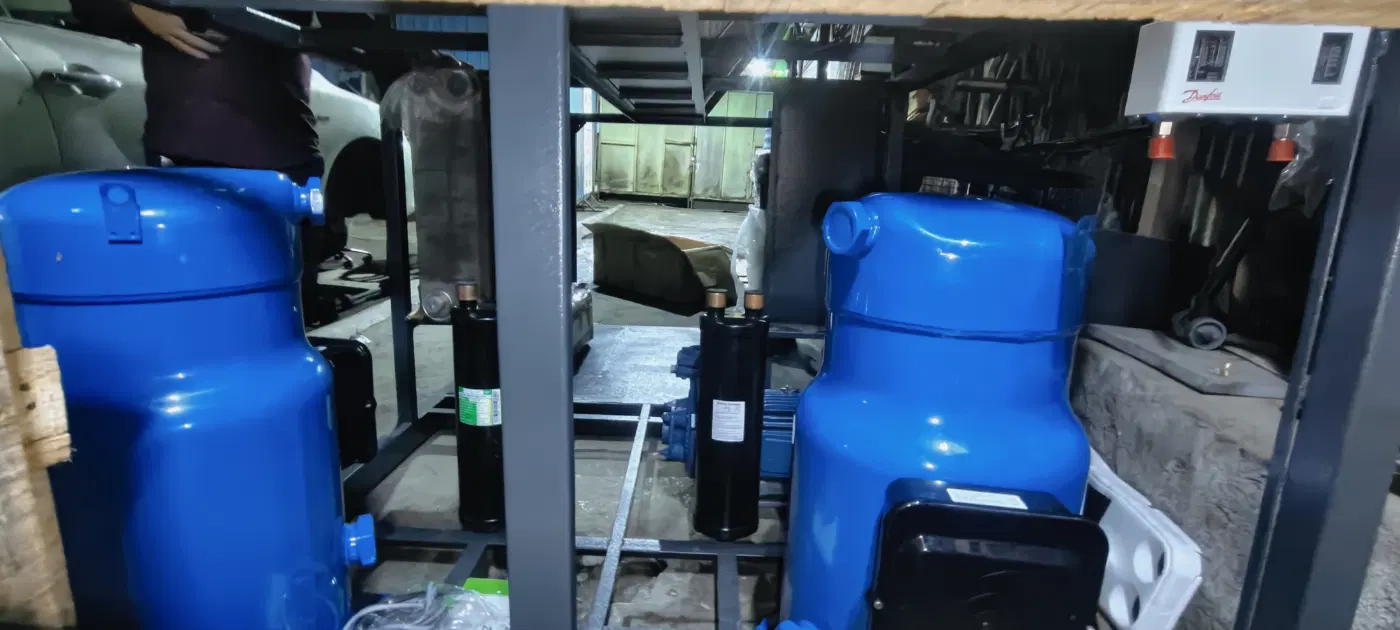
Service work across multiple separate 30-ton chillers, including compressor overhauling, dry filter replacement, vacuum and refrigerant charging.
Explore project ↗Original field photographs across residential, commercial and industrial applications.
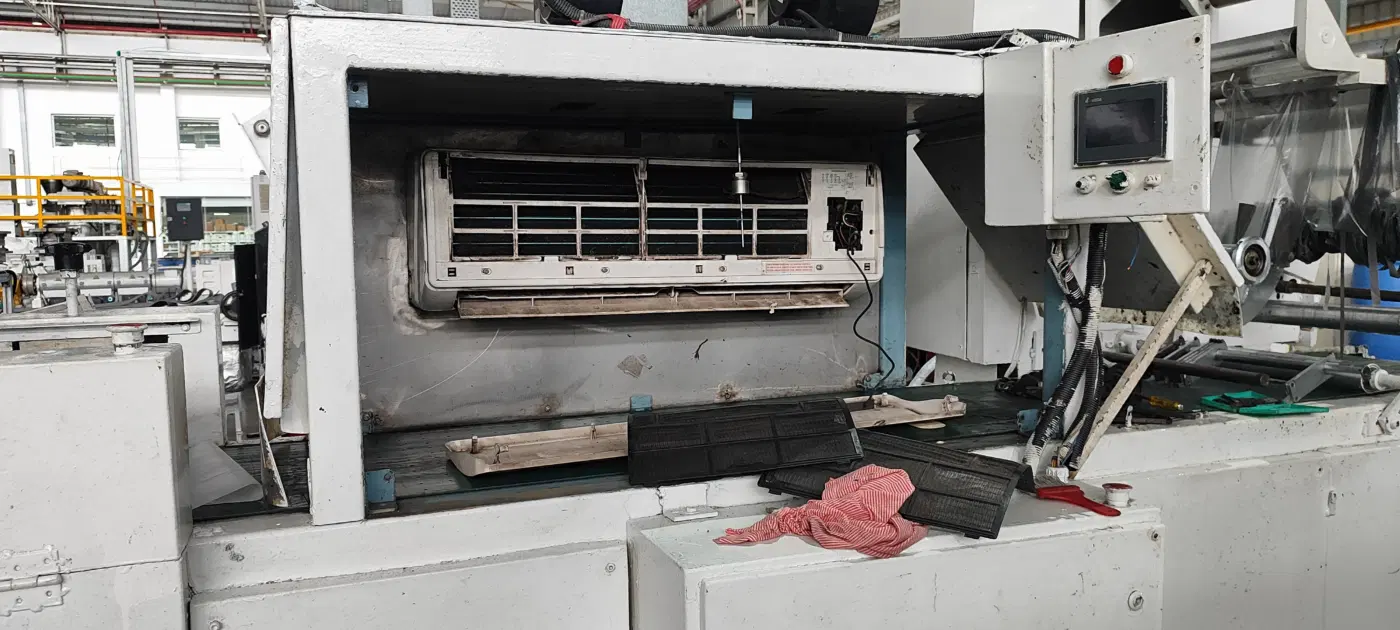
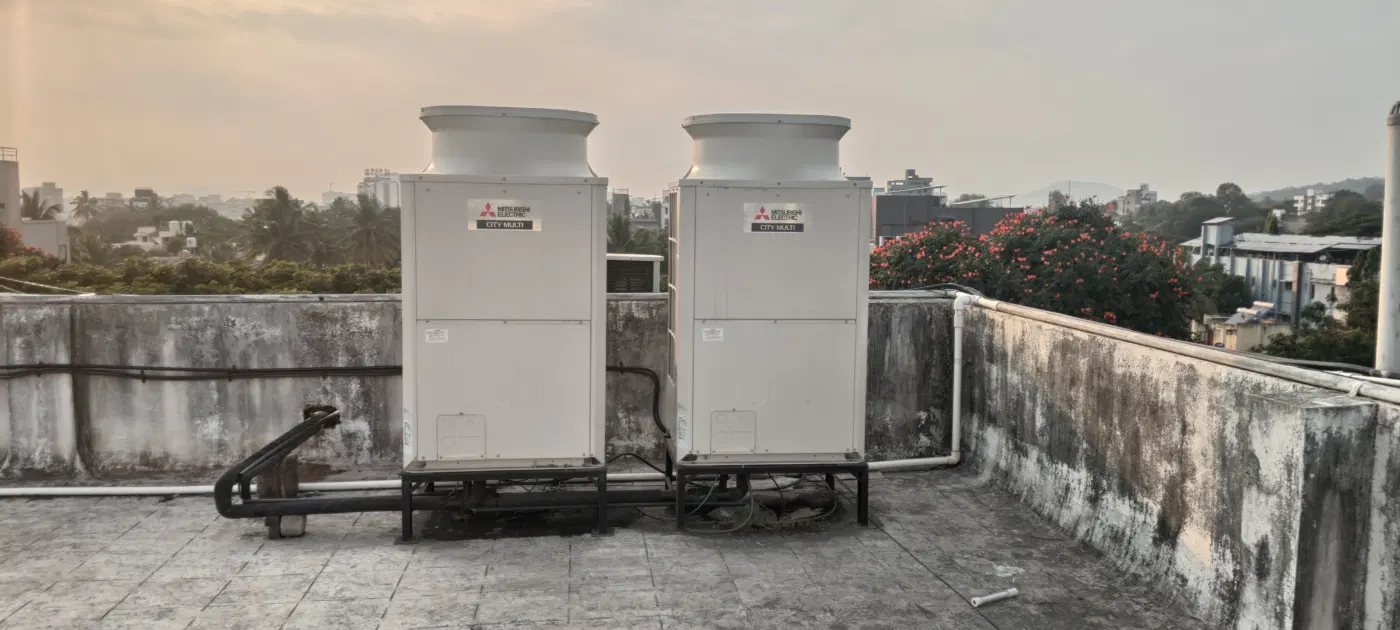
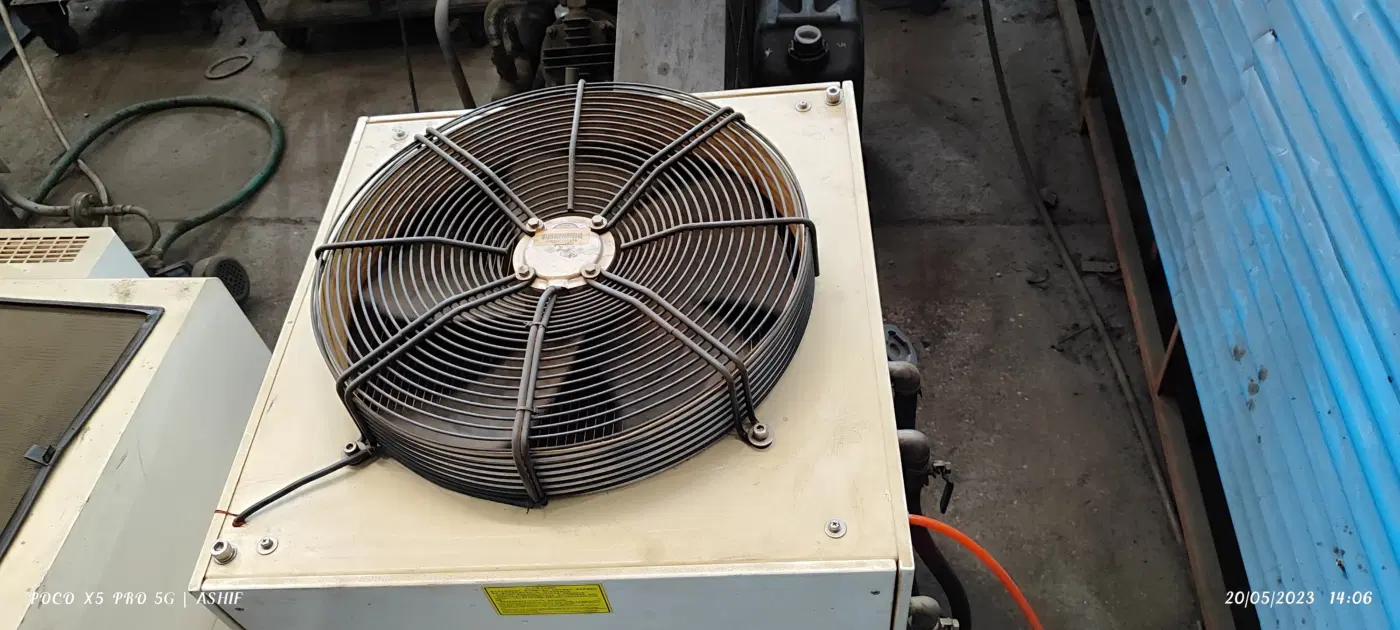
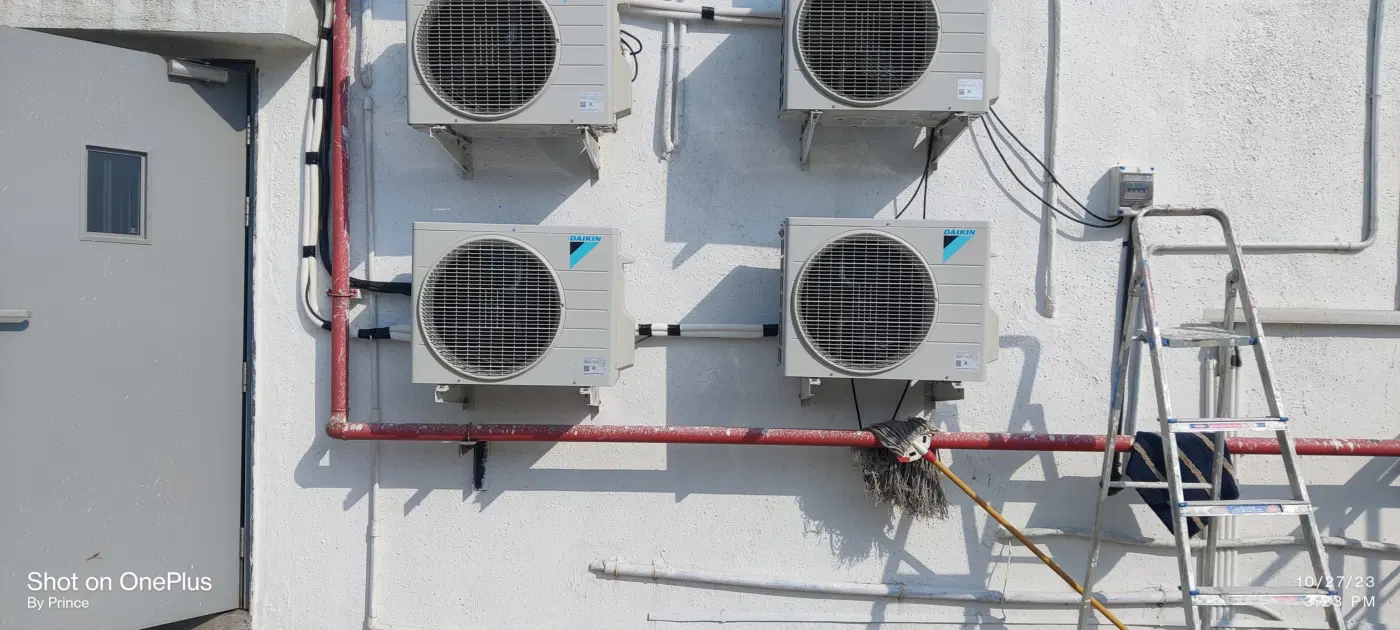
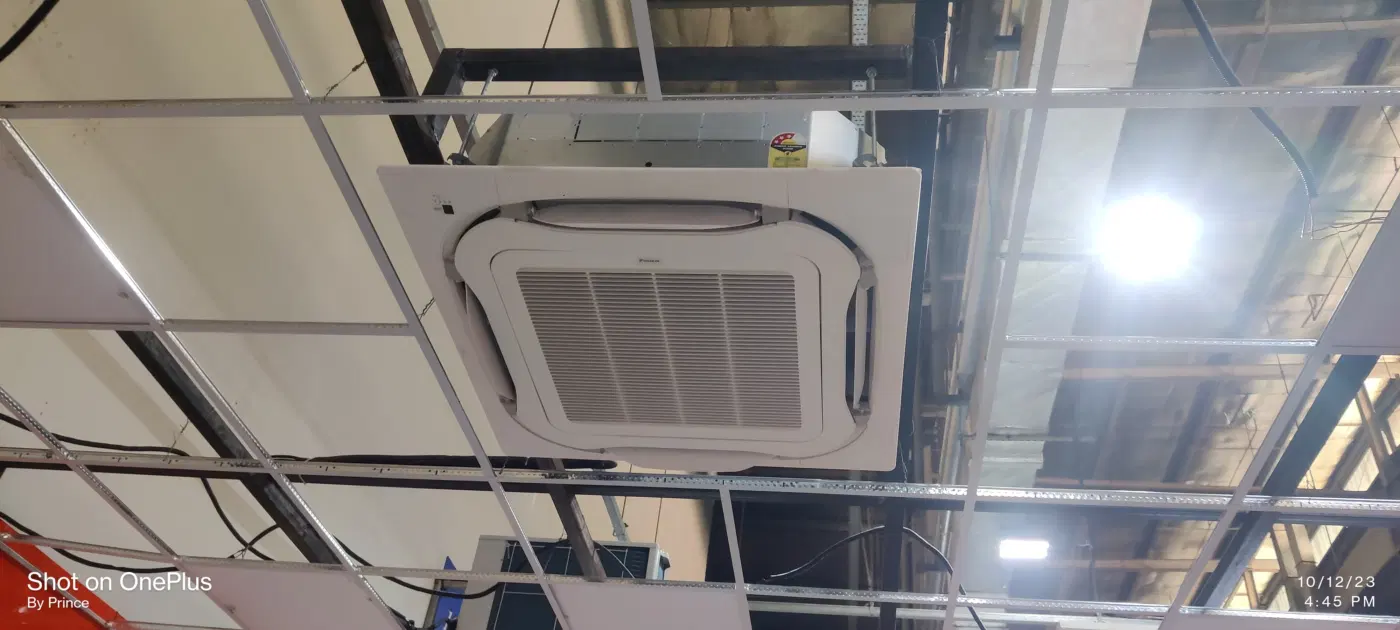
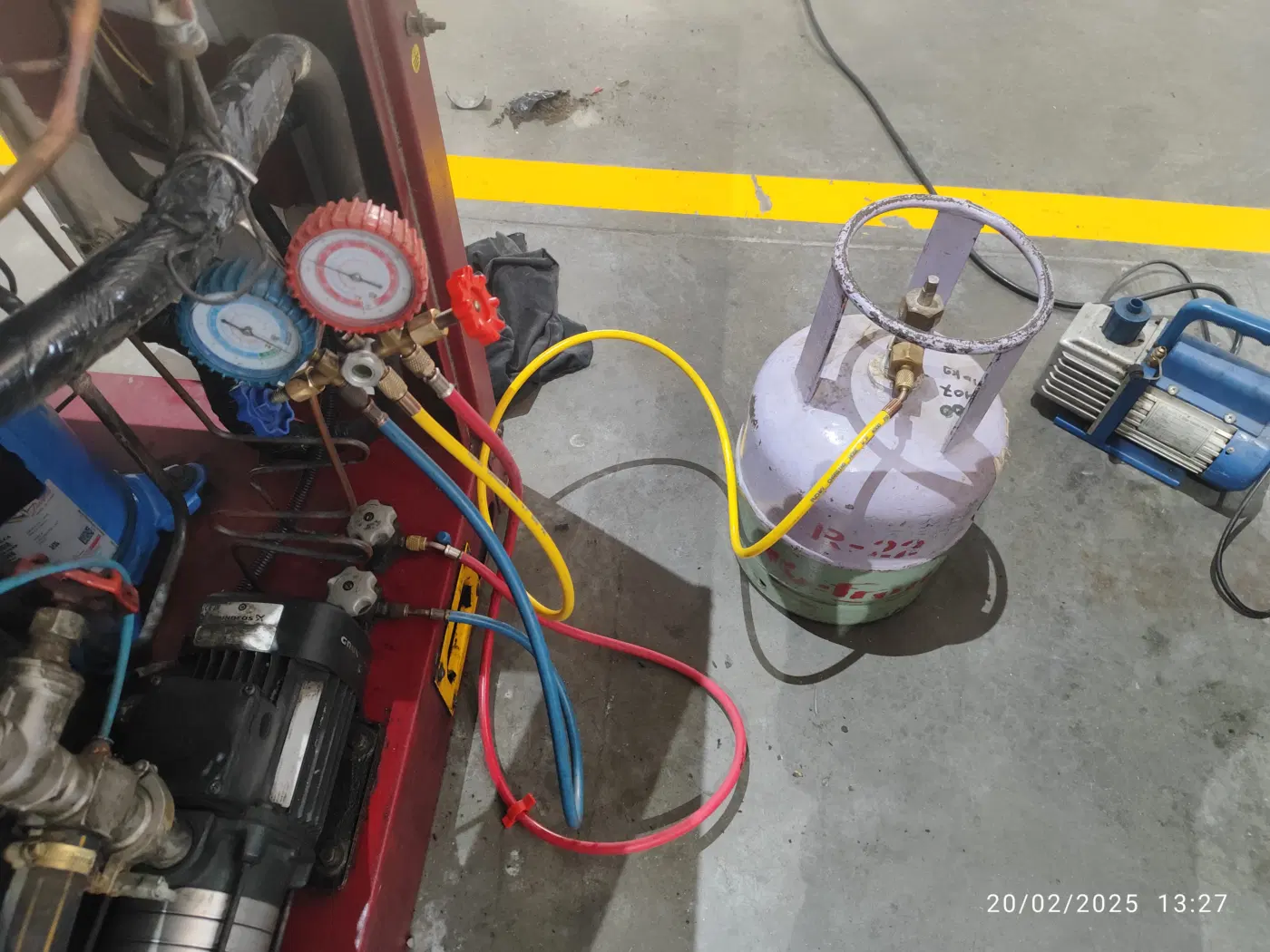
We provide AC sales, installation, repair and maintenance for homes, offices and shops, along with commercial and industrial HVAC services across Pune and Pimpri-Chinchwad.
From a split AC that is not cooling to scheduled upkeep of chillers, VRV/VRF systems, AHUs and FCUs, we aim for clear communication and neat, dependable work.
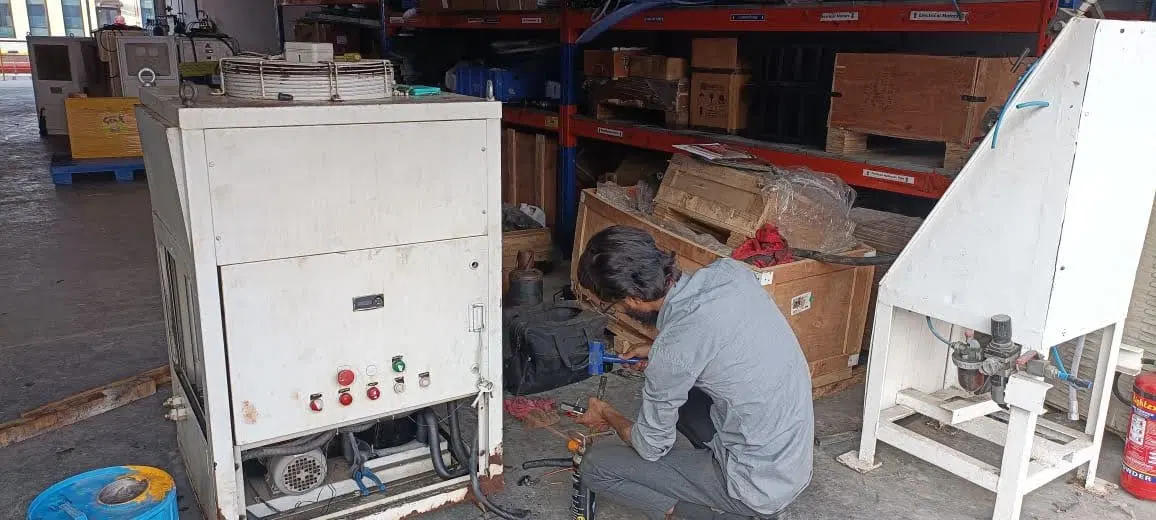
Share your equipment details and site location. The scope of work is discussed before service proceeds.
Tell us the equipment type, operating symptoms and service location.
Review the fault, site conditions and relevant equipment information.
Discuss the appropriate repair or maintenance scope, parts and quotation.
Review the completed work and relevant operating checks with the customer.
Practical reasons customers in Pune and PCMC can count on.
Home ACs to industrial chillers, handled by the same company.
Sales, installation, repair, gas charging and AMC.
We explain the issue and the work before we begin.
Just call or send a WhatsApp message with your problem.
INDOCHIL ENGINEERING has installation, repair and servicing experience with equipment from the brands below. This reflects general service experience and does not imply authorization, partnership or endorsement.
AC installation, repair and servicing experience.
AC installation, repair and servicing experience.
AC installation, repair and servicing experience.
AC installation, repair and servicing experience.
AC installation, repair and servicing experience.
AC installation, repair and servicing experience.
AC installation, repair and servicing experience.
AC installation, repair and servicing experience.
AC installation, repair and servicing experience.
Looking for AC repair in Pune, AC service in PCMC or HVAC services near Hinjewadi and Chakan? We serve Pune and Pimpri-Chinchwad, including Baner, Balewadi, Aundh, Kothrud, Karve Nagar, Warje, Shivajinagar, Hadapsar, Magarpatta, Kharadi, Viman Nagar, Wagholi, Kondhwa, NIBM, Undri, Wakad, Hinjewadi, Pimple Saudagar, Pimpri, Chinchwad, Akurdi, Nigdi, Ravet, Moshi, Bhosari, Chakan and surrounding areas.
AC repair and servicing in Pune and PCMC · Commercial HVAC maintenance and AMC · Industrial chiller repair in Pune, PCMC and Chakan
Not sure if we cover your location? Call or WhatsApp us and we will confirm.
 Meet the Founder
Founder, INDOCHIL ENGINEERING
HVAC systems specialist
Ashif Alam is the Founder of INDOCHIL ENGINEERING. Connect with him to discuss your AC or HVAC requirement.
Expertise: Water Chillers, Oil Chillers, Air Dryers, VRV, VRF, Ductable AC, and all types of air-conditioning systems.
 Meet the Co-Founder
Co-Founder, INDOCHIL ENGINEERING
Inverter AC specialist
Inverter AC Specialist with expertise in installation and repair of all types of air-conditioning systems, including Split AC, Cassette AC, Window AC, VRF, VRV, and Ductable AC.
Find possible causes of common cooling problems, safe checks and guidance on when to request professional service. These are general indications, not a diagnosis for a specific machine.
Check that the remote is in cooling mode, the temperature setting is appropriate and the accessible filter is clean as instructed in the manual. Weak cooling may also involve the outdoor unit, a refrigerant leak or a compressor fault. Arrange diagnosis if cooling does not return.
A blocked drain, incorrect drain slope, damaged drain tray or ice melting from the indoor coil can cause leakage. Switch the unit off if water is entering the room, particularly near electrical fittings, and request an inspection.
Restricted airflow or an issue with refrigerant circulation can lower coil temperature enough to form ice. Stop cooling, allow natural thawing and do not scrape the ice. If it returns, the airflow and refrigeration circuit need diagnosis.
A unit may cycle normally when the set temperature is reached, but repeated early shutdown with poor cooling can indicate an electrical, sensor or protection fault. Note any error code and avoid repeated restarts.
After selecting cooling, some models have a normal compressor start delay. If the outdoor unit still does not operate, controls, power supply, fan or compressor components may need checking. Do not open electrical covers.
No. Airflow, dirty heat exchangers, controls and other faults can reduce cooling even when the refrigerant charge is correct. A refrigerant leak should be investigated before any recharge; see our AC gas charging service.
A loose mounting, worn fan bearing, obstructed blower or compressor-related problem may be responsible. Stop the unit if there is loud grinding, severe vibration or a burning smell, and arrange an inspection.
Electrical leakage, damaged wiring, motor faults or compressor problems can cause a protective trip. Keep the unit off and have a qualified technician inspect it. Do not bypass protection or repeatedly reset the breaker.
Yes. We offer installation, uninstallation, removal, reinstallation and shifting for split, window and other AC types. Pipe condition, mounting, drainage and electrical suitability are assessed for the new location. See AC installation services.
Moisture and dirt around the indoor coil, filter or drain tray can produce odour. If cleaning the accessible filter as directed by the manufacturer does not help, request an indoor unit and drainage inspection. A burning smell requires immediate shutdown.
A change in process heat load, inadequate fluid circulation, heat exchanger fouling or a loss of refrigeration capacity may prevent the required temperature. Record inlet and outlet temperatures, load and alarms for a site assessment.
Poor heat rejection is a common possibility. On air-cooled equipment, condenser airflow may be restricted; on water-cooled equipment, condenser-water flow, water temperature or fouling may be involved. Do not reset repeatedly; record the alarm and arrange diagnosis.
An evaporator load or flow issue, restricted refrigerant feed or leakage may be involved. The alarm alone does not prove low refrigerant. A technician should compare operating conditions against the equipment specification.
A pump issue, closed valve, blocked strainer, trapped air or flow sensor fault may interrupt circulation. Check the operator display and approved external indicators. Do not bypass the flow switch or force the chiller to run.
Insufficient fluid flow, a control fault or an unsuitable fluid concentration for the operating temperature may cause freezing. Stop the affected system safely and have it inspected before restarting to avoid heat exchanger damage.
Higher condenser-water temperature, scale, poor tower performance or changes in process load may increase energy use. Compare current operating data with the normal baseline before deciding on cleaning or repair.
High ambient temperature can reduce available capacity, particularly if condenser airflow is restricted or hot discharge air recirculates. Keep approved ventilation paths clear and share the model and operating conditions for assessment.
Changes in machine heat load, oil circulation, heat exchanger condition or refrigeration output may affect oil temperature. Record the oil temperature, setpoint and machine operating state for diagnosis.
The trip may reflect an electrical supply problem, high operating load, excessive temperature or an internal compressor fault. Preserve the alarm history and avoid repeated starts until the cause is assessed.
It depends on the compressor design, damage, parts availability and test results. A serviceable compressor may be repairable, while a sealed or severely damaged unit may require replacement. See compressor overhauling services.
Repeated loss suggests an unresolved leak or service issue rather than normal consumption. Leak location, repair suitability, system condition and the specified refrigerant charge need to be established before further charging.
The dryer may be overloaded, its condensate drain may be malfunctioning, or the refrigeration circuit may not achieve the required pressure dew point. Record dryer alarms, inlet conditions and dew point if displayed; avoid opening pressurised components.
Communication, sensor, electrical or refrigeration faults can trigger different model-specific codes. Share the manufacturer, model and exact code with the service team. Do not assume the same code has the same meaning across brands.
Restricted filters, fan problems, coil fouling or inadequate chilled-water supply may limit output. Note the affected zone and whether other units have the same symptom to help distinguish a local fault from a central plant issue.
Yes. Our service scope includes water and oil chillers, air dryers, VRV/VRF systems, AHUs, FCUs and compressor service work across Pune and PCMC. Share equipment details and site location so we can discuss the scope.
Cooling depends on the milk volume, incoming temperature, tank rating, agitation and refrigeration performance. Record the temperature trend and batch size and follow your dairy's milk-handling protocol if the required temperature is not achieved. Arrange a BMC inspection.
Local freezing may occur if agitation is inadequate or the milk volume and cooling operation are not compatible with the tank design. Follow the tank manufacturer's minimum fill and operating guidance; have the agitation and temperature controls checked.
The drive, control circuit or an obstruction may be responsible. Do not reach into a powered tank or continue cooling contrary to the equipment instructions. Have the agitator and controls inspected.
Ice storage depends on available refrigeration capacity and the charging period. Excessive cooling demand, poor heat transfer or a control fault can reduce the usable ice reserve. Share the ice build time, load schedule and visible alarm details.
Stored ice alone does not guarantee adequate cooling at the outlet. Water circulation, heat exchange and the current process demand can limit delivery. Record supply and return temperatures and check approved pump status indicators.
Frequent door opening, warm stock, restricted evaporator airflow or a refrigeration fault may affect room temperature. Record the temperature history and protect stored products according to your cold-chain procedure while arranging service.
Moist air entering the room, an ineffective defrost cycle or restricted airflow may cause persistent frost. Keep doors closed where practical and report the pattern of ice formation. Do not use sharp tools to remove ice.
The freezer may have an excessive product load, poor door sealing, inadequate ventilation or a cooling-system problem. Check the displayed temperature and protect stock if it is warming; persistent poor performance needs inspection.
Repeated opening, hot surroundings or heavy product loading can exceed available cooling capacity. Keep ventilation paths clear and follow the equipment loading instructions. If recovery remains slow, request an assessment of the cabinet and refrigeration system.
Cabinets installed close to cooking equipment can struggle if ventilation is inadequate. Door seals, fan operation and controls can also affect temperature. Move sensitive stock to suitable storage and arrange service if safe temperatures cannot be maintained.
Humidity, warm air entering the cabinet, door seal condition or anti-condensation controls may contribute. Observe whether condensation occurs outside the cabinet or inside near the products and report it during the service request.
Product quantity, starting temperature, operating time and refrigeration capacity all influence hardening. Check that the equipment is being used within its rated conditions and share the product load and temperature history for diagnosis.
Water supply, scale, ambient conditions, heat rejection and refrigeration performance can influence production. Check approved external indicators and follow the manufacturer's cleaning schedule. Arrange service for continuing low production.
Some temperature rise can occur during normal defrost, but failure to recover may indicate a defrost, fan or refrigeration problem. Compare recovery with the manufacturer's guidance and protect temperature-sensitive products if necessary.
Yes. Share the application, nameplate, target temperature, cooling load and existing system details. We can discuss diagnosis and suitable repair options; performance or capacity commitments require assessment of the actual machine.
We serve Pune and PCMC, including Moshi, Chakan, Bhosari, Wakad, Hinjewadi and nearby areas. Share your exact service location to confirm coverage.
You can contact us for urgent breakdown requirements. Share the machine type, location and alarm or symptom so we can discuss the earliest available visit. Availability and response time are confirmed for each enquiry.
Yes. We discuss maintenance plans based on the equipment list, condition, operating hours and required service scope. See HVAC maintenance and AMC services.
The plan should reflect the manufacturer's requirements and site conditions, including relevant electrical, heat exchanger, fluid flow and operating checks. Inspection frequency, consumables and breakdown coverage should be agreed in the service scope.
Preventive maintenance aims to identify developing issues during planned visits. Breakdown repair addresses an existing fault. An AMC can define both activities and their coverage, depending on the agreement.
The price depends on equipment type, fault, access, labour and any replacement components. Share the symptoms and model for an initial discussion; the appropriate quotation depends on the required assessment and repair scope.
Send the equipment type, brand and model, site location, current temperature or symptom, alarm code and a photo of the nameplate if safely accessible. This helps us prepare for the visit.
Yes. Share the equipment inventory, capacity where known, site location and current problems. We can discuss the required service scope and a quotation suited to the installation.
Consider the fault, equipment age and condition, repair cost, parts availability, downtime and energy use. An assessment helps determine whether repair is practical rather than replacing a machine solely because of its age.
Use the Call Now or WhatsApp enquiry options in the contact section. Include your site location and equipment problem. Visit timing and service scope can then be discussed with our team.
Safety: Do not open live electrical panels, release refrigerant, bypass protective controls or work on pressurised equipment. For commercial food and dairy equipment, follow your site's product safety and temperature-control procedure.
General technical references: Carrier AC troubleshooting, Danfoss cold room fault diagnosis, AHDB ice bank tanks and Atlas Copco compressed air drying. Always follow the equipment-specific manual.
Choose the closest service category to explore the relevant scope, or contact our team if you are unsure which service fits your equipment.
Water and oil chillers, compressor overhauling, industrial refrigeration and air dryer services.
Explore industrial servicesPlanned maintenance and service support for VRV/VRF, AHU, FCU and other commercial systems.
Explore commercial servicesAC installation, shifting, troubleshooting, repair and refrigerant-related service.
Explore AC servicesShare the equipment type, site location and the issue you are facing. We can help you identify the appropriate next step.
Call, WhatsApp or send an enquiry. We will get back to you with the next steps.
Phone: +91 86684 34674
Email: [email protected]
Area: Pune & PCMC, Maharashtra